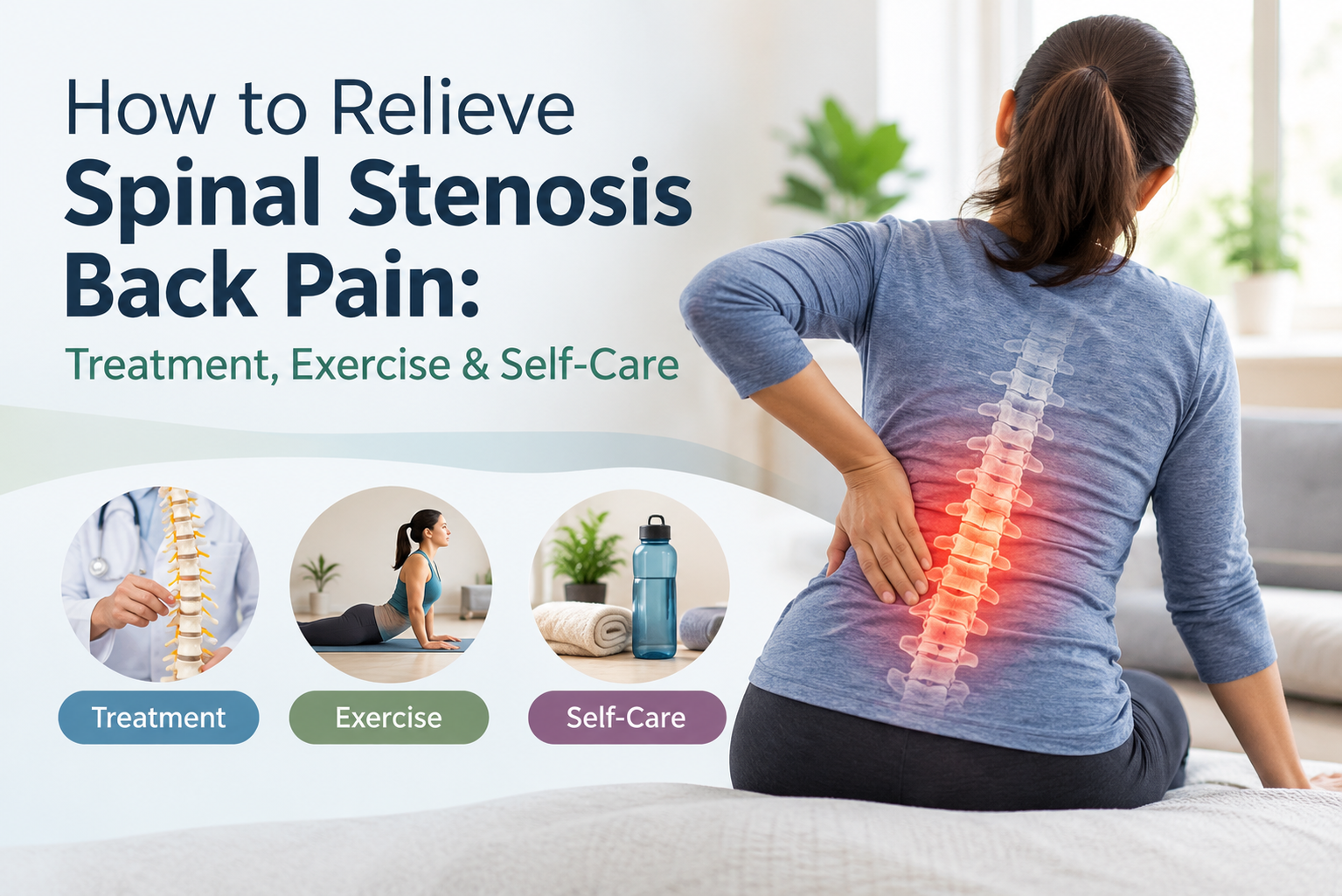
Spinal stenosis is a narrowing of the spaces within your spine, putting pressure on your spinal cord and nerves. It is a very common cause of chronic back and leg pain, frequently resulting from age-related wear and tear.
This nerve compression significantly limits mobility, causing weakness, cramping, and numbness that make walking or standing difficult. Consequently, it can take a serious toll on your daily independence and overall quality of life.
The purpose of this article is to provide quick ways to get stenosis back pain relief. You will learn about back pain treatment and recommended exercises, lifestyle modifications, and medical interventions to manage symptoms and reclaim your active lifestyle.
What Is Spinal Stenosis?
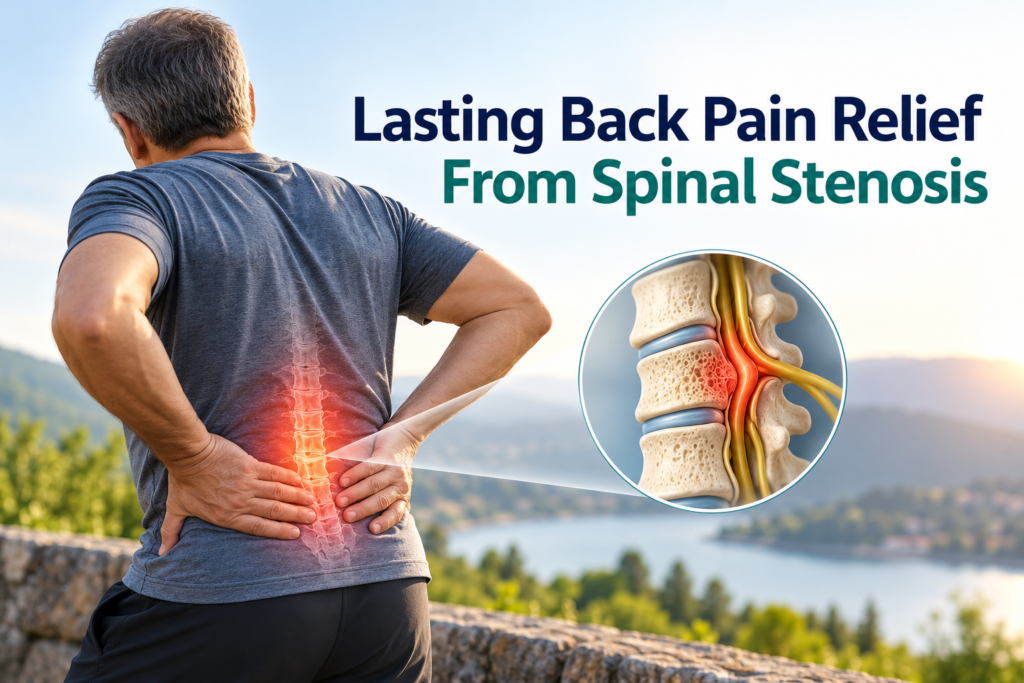
Spinal stenosis is the narrowing of one or more spaces within your spinal canal. Your spinal canal is the tunnel that runs through each of the vertebrae in your spine. It contains your spinal cord. Less space within your spinal canal compresses your spinal cord and the nerves that branch off it (nerve roots).
The condition can occur in the cervical spine (neck), thoracic spine (mid back), or the lumbar spine (lower back). Cervical and lumbar stenosis are the most common forms, with lumbar spinal stenosis affecting more than 200,000 adults in the United States.
Common Symptoms of Spinal Stenosis
Typically, symptoms of spinal stenosis develop over time. Discomfort may be felt on one or both sides of the body.
When spinal stenosis affects the lower spine, symptoms may include:
- Lower back pain
- Pain that radiates from the buttocks down the legs
- Lower back or leg pain that worsens while standing and improves while leaning forward or sitting
- Tingling, numbness, weakness, or muscle cramps in the buttocks, legs, or feet
- Leg discomfort or numbness that worsens while walking or standing
- Poor balance while walking
- Bladder dysfunction
- Bowel dysfunction
- Sexual dysfunction
When spinal stenosis affects the upper spine within the neck, symptoms may include:
- Neck pain
- Neck spasms
- Pain that radiates from the upper arms down to the hands
- Tingling, numbness, weakness, or cramps in the arms or hands
- Issues doing fine motor skills or balance-related activities
What Causes Spinal Stenosis?
Several factors can contribute to the development of spinal stenosis. These include:
- Age-Related Degeneration:
As we age, spinal discs lose water content and flexibility, leading to bulging or herniated discs. Bone spurs can also develop as part of osteoarthritis, further narrowing the spinal canal. - Arthritis:
Osteoarthritis is a leading cause of spinal stenosis. It breaks down the protective cartilage between joints and can cause bone overgrowth that narrows nerve pathways. - Thickened Ligaments:
Over time, the ligaments that help support the spine may thicken and stiffen, contributing to reduced space in the spinal canal. - Herniated Discs:
When a spinal disc bulges or ruptures, its inner material can press on the spinal cord or near nerves. - Spinal Injuries:
Accidents or trauma can cause fractures or dislocations that narrow the canal or lead to inflammation around the nerves. - Congenital Spinal Stenosis:
Some people are born with a naturally narrow spinal canal, making them more prone to symptoms earlier in life.
Effective Ways to Get Stenosis Back Pain Relief
You can reduce back pain by managing spinal stenosis, which requires movement, proper support, and professional guidance.
Stay Active
Inactivity worsens stiffness and weakens muscles. Walking with a slight forward lean, swimming, water aerobics, and cycling are all great options. They reduce nerve pressure and keep your body moving.
Physical Therapy
A physical therapist builds a plan suited to your needs. Exercises like pelvic tilts, knee hugs, and bird-dogs strengthen core and glute muscles to stabilize your spine. Stretching tight hamstrings and hips also helps maintain proper alignment.
Chiropractic Care
Chiropractors improve spinal alignment and reduce joint inflammation. Techniques like flexion-distraction gently open the spinal canal and relieve nerve pressure. Clinics like Allied Chiropractor therapy offer specialized manual therapy and rehabilitation.
Lifestyle Adjustments
- Maintain a healthy weight to reduce spinal load.
- Avoid hyperextension, as it narrows the nerve canal.
- Use lumbar support chairs, keep your monitor at eye level, and avoid prolonged unsupported standing.
Pain Management
Over-the-counter NSAIDs like ibuprofen or naproxen, along with heat or ice packs, help manage pain. Always consult a spine specialist before starting new exercises.
When Should You Seek Professional Help?
You should seek professional help immediately when stress, anxiety, or sadness disrupts your daily functioning, affects your sleep and eating habits, or makes it hard to care for yourself. Don’t wait until things become unmanageable.
If usual coping mechanisms fail, or if you experience thoughts of self-harm, professional support is highly recommended.
Frequently Asked Questions
Q1. Can spinal stenosis go away on its own?
No, spinal stenosis will not go away on its own. Because it is a degenerative, progressive condition caused by the physical narrowing of the spinal canal, the underlying structural changes cannot be reversed naturally.
Q2. What is the best treatment for spinal stenosis back pain relief?
The most effective approach combines physical therapy (specifically flexion-based exercises) to strengthen core muscles and relieve nerve pressure, and over-the-counter NSAIDs to reduce inflammation. If conservative methods fall short, epidural steroid injections can provide temporary relief.
Q3. Is walking good for spinal stenosis?
Yes, walking is highly beneficial for spinal stenosis. It improves blood flow, strengthens supportive core and leg muscles, and preserves mobility. However, it requires a specialized approach, specifically, maintaining a slight forward-leaning posture to open the spinal canal and relieve nerve compression.
Q4. Can chiropractic care help with spinal stenosis?
Yes, chiropractic care can help manage the symptoms of mild to moderate spinal stenosis. While it cannot cure or widen the narrowed spinal canal, chiropractors use non-invasive techniques to relieve nerve pressure, improve joint mobility, and reduce pain.
Q5. When should I see a healthcare professional for spinal stenosis?
See a healthcare professional immediately if you experience progressive muscle weakness, severe balance issues, persistent numbness, or loss of bowel and bladder control. Schedule a standard evaluation if persistent pain, tingling, or cramping in your limbs disrupts sleep, walking, or daily activities and fails to improve with rest.